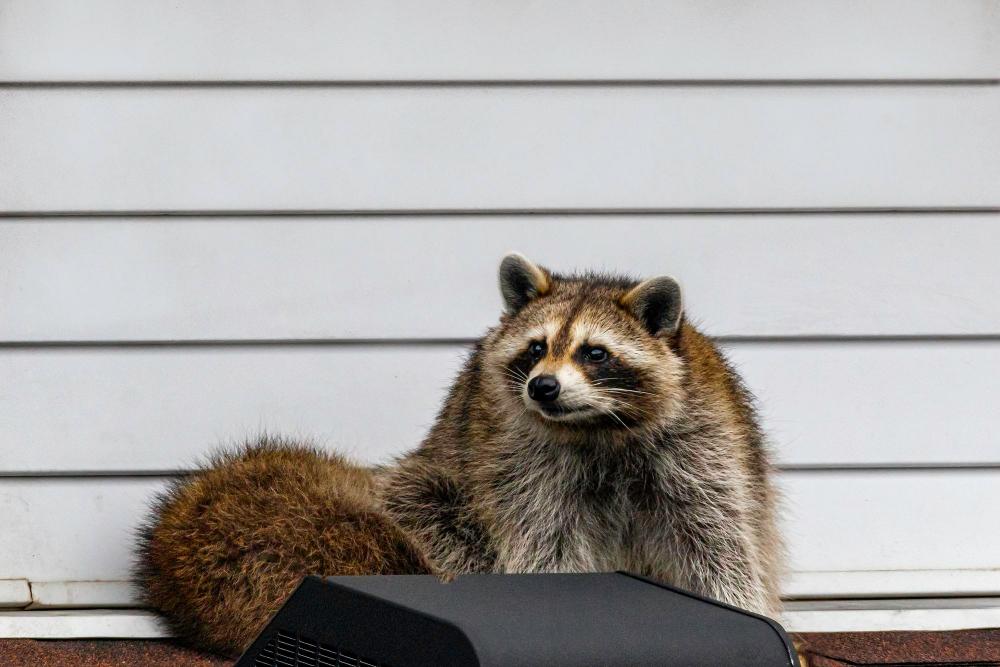
 When raccoons invade your home, attic, or property, you need prompt, professional wildlife control services from a company that understands both the animals and our local environment. Manning's Pest Control has been providing expert raccoon control and exclusion services throughout Brunswick County and surrounding areas since 1973. Our wildlife specialists deliver humane, effective solutions to resolve raccoon problems while preventing future invasions.
Professional Wildlife Management in Brunswick County & Surrounding Areas
With nearly five decades of experience in our coastal Carolina region, we understand the specific raccoon behaviors, entry patterns, and habitat preferences that make local properties vulnerable to invasion. Our comprehensive approach to raccoon control combines humane removal, effective exclusion, damage repair, and preventive strategies to ensure long-term protection for your home or business.
Why Choose Manning's for Raccoon Control Near You?
When searching for "raccoon control near me" in Brunswick County, choosing a company with local expertise and humane practices makes all the difference:
- Local Wildlife Knowledge: Our specialists understand raccoon behavior specific to coastal Carolina environments
- Humane Removal Methods: We employ ethical trapping and removal techniques that respect wildlife
- Comprehensive Approach: We don't just remove raccoons—we identify and seal entry points to prevent returns
- Damage Repair Capabilities: Services to address raccoon damage to insulation, wiring, and structural elements
- Preventive Strategies: Long-term solutions to make your property less attractive to raccoons
- Available Throughout the Region: Prompt service throughout Brunswick County and surrounding areas
- Licensed and Insured: Full compliance with wildlife management regulations and proper handling protocols
Our Complete Raccoon Control Process
At Manning's Pest Control, we take a methodical, thorough approach to raccoon management:
1. Comprehensive Inspection
Every effective raccoon control program begins with a detailed inspection:
- Complete evaluation of your property's exterior and interior
- Identification of active raccoon entry points and pathways
- Assessment of damage to structures, insulation, and wiring
- Location of nesting areas and evidence of young raccoons
- Documentation of raccoon activity patterns
- Evaluation of attractants and habitat features
2. Customized Removal Plan
Based on our findings, we develop a tailored removal strategy:
- Selection of appropriate humane trapping methods
- Strategic trap placement based on raccoon movement patterns
- Determination of optimal timing for trapping activities
- Special considerations for mother raccoons with young
- Coordination of removal with exclusion measures
- Clear timeline and expectations for the removal process
3. Professional Exclusion Services
After removal, we prevent future invasions through comprehensive exclusion:
- Sealing of all identified entry points with professional-grade materials
- Reinforcement of vulnerable areas that raccoons commonly exploit
- Installation of chimney caps, vent covers, and other protective barriers
- Repair of damaged eaves, soffits, and roof sections
- Application of wildlife deterrents where appropriate
- Securing of potential entry areas around foundations and utility penetrations
4. Damage Repair and Cleanup
We address the aftermath of raccoon invasions with thorough remediation:
- Removal of raccoon waste and contaminated materials
- Decontamination of affected areas
- Replacement of damaged insulation
- Repair recommendations for structural damage
- Odor elimination treatments
- Restoration of affected spaces to pre-infestation condition
5. Preventive Recommendations
We provide guidance to reduce future raccoon attractants:
- Secure garbage storage solutions
- Modification of landscape features that attract raccoons
- Pet feeding practice recommendations
- Tree trimming and property modifications
- Ongoing monitoring suggestions
- Seasonal prevention strategies
Understanding Raccoon Behavior in Coastal Carolina
Raccoons in our coastal region present unique challenges for homeowners and businesses. Understanding their behavior helps explain why professional control is often necessary.
Local Raccoon Habitat and Behavior
Brunswick County's diverse environment provides ideal raccoon habitat:
- Water Access: Our abundant waterways, marshes, and wetlands support large raccoon populations
- Mixed Development: The blend of wooded areas and residential developments creates perfect raccoon territory
- Food Availability: Natural food sources supplemented by human garbage, pet food, and cultivated plants
- Mild Climate: Our temperate coastal climate allows year-round raccoon activity with minimal seasonal dormancy
- Den Preferences: Raccoons seek elevated, protected spaces like attics, particularly females with young
- Nocturnal Activity: Primarily active at night, making detection challenging for homeowners
Why Raccoons Enter Homes and Buildings
Several factors attract raccoons to residential and commercial structures:
- Shelter Seeking: Attics, crawl spaces, and outbuildings provide ideal denning sites, especially for females with young
- Food Access: Unsecured garbage, pet food, bird feeders, and garden produce
- Water Sources: Ponds, pools, pet water bowls, and irrigation systems
- Seasonal Factors: Increased intrusions during breeding season (January-March) and when raising young (April-June)
- Weather Events: Storms and flooding can displace raccoons from natural habitats into structures
- Construction Activity: Development of natural areas drives raccoons toward remaining habitat, including residential properties
Damage and Health Concerns
Raccoon invasions can cause significant problems beyond the nuisance factor:
- Structural Damage: Torn roof vents, damaged soffits, and compromised eaves
- Insulation Destruction: Raccoons flatten, tear, and contaminate attic insulation
- Electrical Hazards: Chewed wiring creating fire risks
- Water Damage: Torn roof openings allowing rainwater entry
- Waste Contamination: Accumulated droppings creating health hazards
- Disease Risks: Raccoons can carry rabies, roundworm, and other pathogens
- Secondary Pest Issues: Raccoon activity often introduces fleas, ticks, and other parasites
Serving Communities Throughout Coastal Carolina
Manning's Pest Control provides professional raccoon control and exclusion services throughout Brunswick County and surrounding areas. Our extensive service area includes:
Brunswick County
- Southport: Historic and modern homes throughout this charming port city
- Oak Island: Beachfront and inland property raccoon control
- Bald Head Island: Specialized service coordination for this unique island community
- Caswell Beach: Coastal property wildlife management
- St. James Plantation: Luxury home raccoon exclusion services
- Boiling Spring Lakes: Comprehensive services for this lake community
- Holden Beach: Vacation and year-round residence protection
- Ocean Isle Beach: Beachfront and mainland raccoon management
- Sunset Beach: Thorough raccoon exclusion services
- Calabash: Professional wildlife management
- Shallotte: Complete residential and commercial raccoon control
- Supply: Rural and developing area services
- Bolivia: County seat wildlife management services
- Leland: Fast-growing community with diverse housing needs
- Navassa: Residential raccoon control
- Northwest: Rural property wildlife management
- Sandy Creek: Comprehensive raccoon solutions
- Varnamtown: Coastal community services
- Winnabow: Historic and modern home protection
- Ash: Rural property raccoon control
New Hanover County
- Wilmington: Historic district and suburban neighborhood raccoon management
- Wrightsville Beach: Specialized coastal property services
- Carolina Beach: Vacation and residential wildlife control
- Kure Beach: Beachfront property protection
- Castle Hayne: Residential raccoon exclusion services
- Murraysville: Growing community wildlife management
Additional Service Areas
- Pender County: Select communities including Hampstead, Burgaw, and Rocky Point
No matter where you're located in Brunswick County, New Hanover, or select surrounding areas, Manning's Pest Control can provide the professional raccoon control and exclusion services you need to protect your property.
Frequently Asked Questions About Raccoon Control
1. How do I know if I have raccoons in my attic or home?
Common signs of raccoon invasion include:
- Noises: Thumping, scratching, or vocalizations, particularly at night
- Entry Points: Damaged roof vents, torn soffits, or displaced shingles
- Tracks: Five-toed footprints that resemble small handprints around your property
- Droppings: Large droppings often found in concentrated "latrine" areas
- Smudge Marks: Dark, greasy marks along pathways and entry points
- Damaged Insulation: Flattened or torn attic insulation
- Visual Sightings: Increased raccoon activity around your property
- Pet Behavior: Dogs or cats showing unusual interest in certain areas of your home
- Garbage Disturbance: Regularly disturbed or opened trash containers
If you notice these signs, it's important to contact wildlife professionals promptly to assess the situation. Early intervention prevents extensive damage and makes removal easier.
2. How do you safely remove raccoons with babies?
Raccoon kits (babies) complicate the removal process and require special handling:
- We first determine if babies are present through our inspection process
- When babies are present (typically February through August), we use specialized techniques to ensure the mother and babies remain together
- Our removal methods focus on reuniting the family outside your home
- We never leave dependent young behind during removals
- After confirming all raccoons are removed, we immediately implement exclusion measures to prevent re-entry
- Specific techniques vary based on the situation, but always prioritize humane handling and family unit preservation
Our wildlife specialists are trained in the latest methods for handling raccoon families, ensuring both effective removal and responsible wildlife management.
3. What's the difference between raccoon removal and exclusion?
These two approaches serve different purposes in raccoon management:
Raccoon Removal:
- Involves physically removing raccoons from your property
- Has limitations in effectiveness when used alone
- Often regulated by state wildlife laws with specific requirements
- May not prevent new raccoons from taking over the vacated territory
Raccoon Exclusion:
- Focuses on sealing entry points and making structural modifications
- Prevents raccoons from entering or re-entering buildings
- Provides long-term protection against future invasions
- Includes repairs and reinforcement of vulnerable areas
- Often combined with habitat modification to reduce attractants
At Manning's Pest Control, we implement a comprehensive approach that combines humane removal with thorough exclusion for the most effective long-term results. Simply trapping and removing without addressing entry points and attractants typically results in new raccoons moving into the territory.
4. How do you prevent raccoons from returning after removal?
Our comprehensive prevention strategy includes several key elements:
- Thorough Exclusion: Sealing all potential entry points with professional-grade materials
- Structural Repairs: Fixing damaged areas that raccoons exploited for entry
- Preventive Barriers: Installing chimney caps, vent covers, and roof edge guards
- Habitat Modification: Recommending landscape changes to reduce raccoon attractants
- Food Source Management: Guidance on securing garbage, pet food, and other attractions
- Deterrent Applications: Where appropriate, applying safe deterrents to discourage raccoon interest
- Tree Management: Recommendations for trimming branches that provide roof access
- Ongoing Monitoring: Regular checking of vulnerable areas for new activity
This multi-faceted approach significantly reduces the likelihood of future raccoon problems by addressing both the access points and the attractants that draw raccoons to your property.
5. Is raccoon removal covered by homeowners insurance?
Coverage for raccoon damage and removal varies by policy:
- Most standard homeowners insurance policies do not cover wildlife removal services
- Some policies may cover structural damage caused by raccoons, but not the removal itself
- Coverage often depends on how the damage occurred and how your policy defines "vermin"
- Many policies exclude damage caused by "neglect" or "infestation"
- Document all damage with photographs for potential claims
We recommend checking with your specific insurance provider about coverage before assuming costs will be covered. Our team can provide detailed documentation of damage and services to support potential insurance claims.
6. How long does professional raccoon exclusion take?
The timeline for complete raccoon control depends on several factors:
- Initial Trapping/Removal: Typically 3-7 days depending on raccoon behavior and whether babies are present
- Exclusion Work: Usually completed in 1-2 days for average homes
- Cleanup and Sanitization: 1-2 days depending on the extent of contamination
- Follow-up Verification: Typically scheduled 1-2 weeks after completion
The entire process generally takes 1-2 weeks from initial inspection to complete resolution. Factors affecting the timeline include the number of raccoons, presence of young, extent of damage, size of the property, and weather conditions.
7. What health risks do raccoons pose?
Raccoons can present several health concerns for humans and pets:
- Rabies: Raccoons are primary carriers of rabies in many regions
- Raccoon Roundworm: Parasites in raccoon droppings that can cause serious neurological disease in humans
- Leptospirosis: Bacterial infection spread through raccoon urine
- Giardia: Intestinal parasite that can contaminate water sources
- Canine Distemper: Virus that affects raccoons and can spread to unvaccinated dogs
- Fleas and Ticks: Parasites carried by raccoons that can infest homes and pets
These health risks make professional handling of raccoon problems particularly important. Our technicians use appropriate personal protective equipment and decontamination procedures when dealing with raccoon-affected areas.
8. What are the laws regarding raccoon control in Brunswick County?
Wildlife management in North Carolina is regulated by specific laws:
- Raccoons are classified as wildlife and are protected under North Carolina wildlife regulations
- Professional wildlife operators must follow specific humane practices for trapping and removal
- Certain methods of control may be prohibited or restricted by state law
- Permits may be required for some types of raccoon management
- Rules regarding relocation vary by municipality and situation
- Special regulations may apply during hunting seasons
Manning's Pest Control maintains full compliance with all applicable wildlife regulations and holds appropriate licenses and permits for raccoon management in our service areas.
9. Can I prevent raccoons from getting into my garbage?
Yes, several effective strategies can deter garbage raiding:
- Secure Containers: Use wildlife-resistant garbage cans with locking lids
- Storage Timing: Put garbage out on the morning of collection rather than the night before
- Cleaning Practices: Rinse food containers before disposal to reduce odors
- Bungee Cords: Secure garbage can lids with heavy-duty cords or clamps
- Garbage Housing: Keep bins in secured sheds or garages when possible
- Repellents: Apply ammonia-soaked rags near garbage areas (temporary deterrent)
- Motion-Activated Devices: Install motion-activated lights or sprinklers near garbage storage
- Regular Cleaning: Periodically clean garbage cans with disinfectant to reduce food odors
Our wildlife specialists can provide additional recommendations specific to your property's layout and the local raccoon population patterns.
Protect Your Property from Raccoons Today
Don't let raccoon invasions damage your home and disrupt your peace of mind. Manning's Pest Control offers the expert raccoon control and exclusion services you need to protect your Brunswick County property from these clever, destructive wildlife pests.
Our comprehensive approach ensures not only that existing raccoons are humanely removed but also that your property is protected against future invasions through professional exclusion, damage repair, and preventive strategies.
Get Your Professional Raccoon Assessment
Take the first step toward resolving your raccoon problem. Contact Manning's Pest Control to schedule your thorough wildlife inspection and consultation.
Call us at (910) 457-5289 or complete our online form to get started.
Serving Southport, Wilmington, Oak Island, and surrounding communities with professional wildlife management services since 1973.
Manning's Pest Control is licensed, insured, and committed to providing exceptional wildlife control throughout Brunswick County and beyond.
Last edited 1 minute ago