Manning's Pest Control Blog

Cockroaches in Coastal NC: Why Beach Homes Are Vulnerable
Anyone who has spent a summer near the water in Brunswick County knows the feeling: you flip on the kitchen light at eleven o'clock at night and something large and reddish-brown skitters across the floor toward the baseboard. It is startling, it is unpleasant, and along the southeastern North Carolina coast, it is remarkably common. Cockroaches thrive here for reasons that have very little to do with how clean your house is and everything to do with where your house sits.

Bed Bug Treatment in Wilmington and Brunswick County
Few pest problems create as much stress as bed bugs. These tiny, blood-feeding insects hide in the seams of mattresses, behind headboards, and inside furniture, and they multiply quickly once they settle in. For homeowners in Wilmington and property managers across Brunswick County, an infestation can disrupt sleep, spark anxiety, and put a rental income stream at risk. The good news is that professional help is close by.
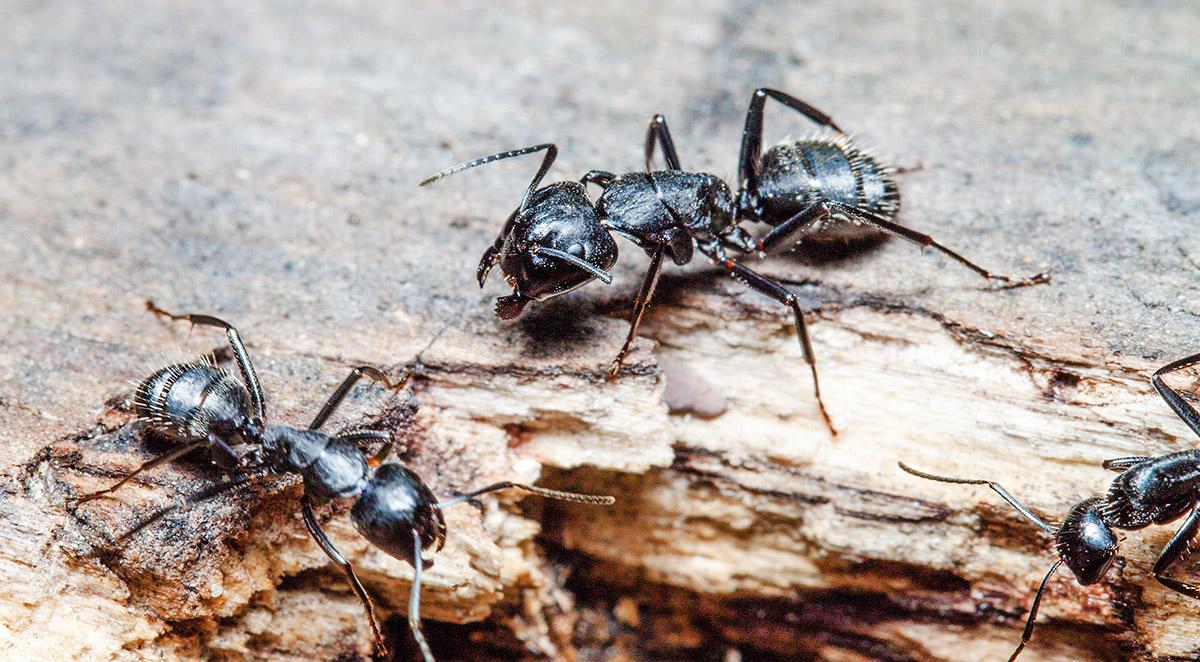
Carpenter Ants vs. Termites: Differences and What to Do
Along the coast of North Carolina, two wood-loving pests get confused more than any other, and telling them apart is important for homeowners.The two pests damage your home in very different ways, and they call for very different treatment. At Manning's Pest Control, we have spent decades helping families across Brunswick County figure out what they are dealing with before a small issue becomes a structural one. This guide walks you through how to tell the difference, what kind of damage each pest causes, and the practical steps you can take to protect your home.
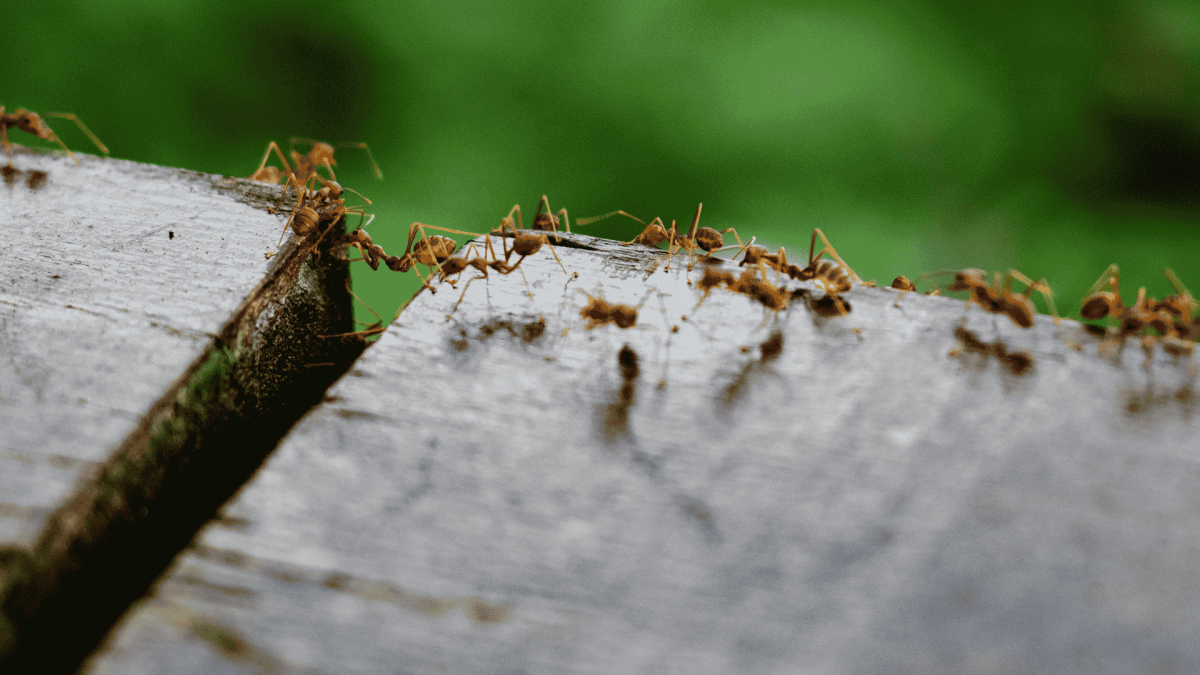
How to Identify and Control Fire Ants in Brunswick County
If you live in Brunswick County, NC, you have probably encountered a fire ant mound at some point. Fire ants are one of the most aggressive and persistent pests in coastal North Carolina, and their painful stings can turn a simple walk across your lawn into a miserable experience. Understanding how to identify these pests and knowing your options for fire ant control in coastal NC can help you protect your family and pets.