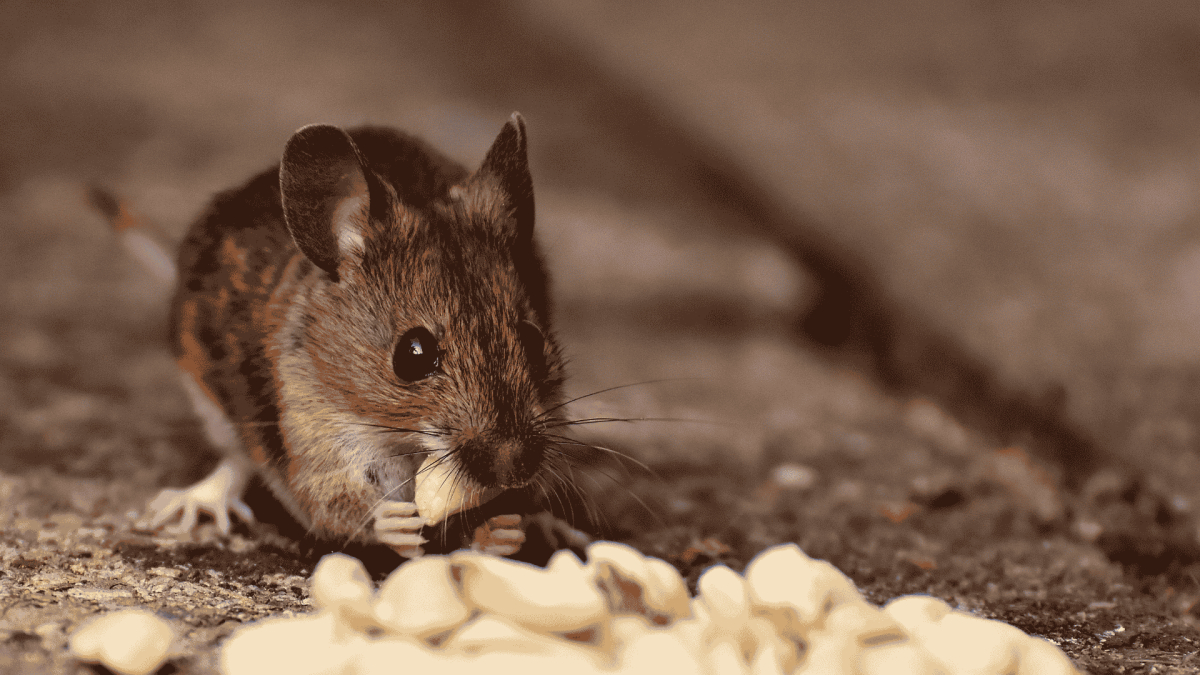
Why Rodents Thrive Along Our Stretch of the Coast
Rodents are common in all areas of North Carolina, and our region gives them plenty of reasons to stay. Mild winters mean rats and mice never face a hard freeze that thins their numbers. Marsh edges, wooded lots, and dense coastal vegetation offer natural harborage right up against residential property lines. Add crawl space construction, salt air that degrades vents and flashing over time, and seasonal homes that sit quiet for months, and you have a landscape well suited to rodent activity.
Signs You Need an Exterminator
Rodents are secretive, and most people notice the evidence before they ever see the animal. Be on the lookout in areas you do not often check, such as rarely used drawers, storage closets, attic corners, and beneath kitchen appliances.
Signs that you have a rodent infestation include:
- Strange noises in your walls or attic, especially scratching after dark
- Strange scents or smells, often musty or sharp
- Holes or chew marks in your walls, ceiling, or attic
- Messy or damaged insulation
- Messy or chewed food containers, cabinets, or cupboards
- Rusty or chewed water pipes
- Greasy rub marks along walls and floorboards
- Nests made from shredded paper, fabric, or insulation
- Droppings, with mice leaving small, rice-sized pellets and rats leaving noticeably larger ones
One more sign matters more than people realize: an actual sighting. Rodents are nocturnal and cautious by nature, so seeing one during the day usually means there are many more you have not seen. That is the point to stop waiting and call a professional.
The Real Risks of Rats and Mice
Rodents are known for spreading various diseases and creating general messes in and around homes. They can also cause significant damage to wiring and insulation, which is where a nuisance turns into an expense.
The risks fall into a few clear categories:
- Disease transmission. Rodents can spread over 35 diseases to humans.
- Food contamination. They contaminate stored food with urine, droppings, and hair.
- Fire hazard. Gnawing on electrical wiring exposes conductors and creates a genuine fire risk.
- Water damage. Rodents can chew through water pipes, causing leaks that go unnoticed inside walls.
- Respiratory effects. Droppings and dander can trigger allergies and asthma.
- Secondary pests. Rats and mice bring fleas and mites in with them.
Insulation damage deserves special attention in our area. Crawl spaces and attics are prime nesting sites, and once insulation is soiled or compacted, it stops performing. If your rodent problem has already reached that stage, our crawl space insulation replacement service can restore what was lost.
How Rodents Get Inside
Exclusion is only as good as the inspection behind it, and that starts with understanding just how little space a rodent needs. Mice can squeeze through holes as small as 1/4 inch. Rats need only 1/2 inch.
Common entry points on local properties include:
- Gaps around utility lines and pipes
- Cracks in foundations
- Damaged roof vents or soffits
- Unsealed dryer vents
- Door sweeps with gaps
- Open garage doors and windows
Coastal weathering makes this worse over time. Vent screens corrode, caulk lines shrink, and soffit seams separate. A house that was tight five years ago may have a dozen new openings today.
Our Rodent Control Process
Effective rodent removal in Brunswick County is a sequence, not a single visit. Our comprehensive approach involves the following steps:
- Thorough inspection. We identify the species present, map active runways, and locate every accessible entry point on the structure.
- Customized treatment plan. We build the plan around the infestation level, the construction of your home, and the presence of children or pets.
- Exclusion materials installed. We seal the openings that allow re-entry, because removal without exclusion is temporary at best.
- Strategic placement of professional-grade control methods. Placement is deliberate, targeting travel paths rather than open floor space.
- Regular monitoring and adjustment. Rodent behavior shifts as populations decline, and we adjust the strategy accordingly.
- Prevention recommendations. We finish with practical guidance specific to your property so the problem does not repeat.
Rodent Prevention for Coastal Homeowners
Once the population is under control, keeping it that way comes down to habit and maintenance. Essential prevention steps include:
- Seal all potential entry points, including the small ones you are tempted to ignore
- Store food in glass or metal containers rather than cardboard or thin plastic
- Clean up food debris immediately, particularly under appliances
- Remove outdoor water sources such as standing containers and dripping spigots
- Keep grass cut short and vegetation trimmed away from the foundation
- Store firewood away from buildings and off the ground
- Maintain clean, tightly sealed garbage areas
Exterior maintenance supports all of this. Our professional pressure washing service helps keep the outside of your home clean while removing nesting materials and food sources that draw pests toward the structure in the first place.
Why Homeowners Choose Manning's
Deep Local Roots
Manning's Pest Control is located in Southport, NC, and we have proudly served Brunswick and New Hanover counties for decades. Joe Manning built the business over 43 years. Owner George Bond, who has been in pest control for over 33 years and with Manning's since January 2016, has carried that standard forward with a commitment to Brunswick County. Over the years we have established many residential and commercial accounts through contractors, realtors, builders, and homeowners, which has made Manning's one of the largest pest control companies in the county.
Safe for Children and Pets
Your family's safety is our priority. We prioritize it by using tamper-resistant bait stations, placing devices in locations children and pets cannot access, employing pet-friendly control options when needed, following strict safety protocols, and providing detailed safety instructions before we leave.
Service Details That Matter
We wear boot covers inside your home and arrive in a clean, well-kept service truck. We answer the phone, return calls, show up on time, and respond to service requests within hours. After every visit, you receive detailed service information so you know exactly what was done. You can read more about our team and standards on our about page.
Residential and Commercial Coverage
We serve both residential and commercial customers, so you can depend on us whether you are protecting a single-family home, a rental property, or a business. Our methods have been proven effective in both short-term and long-term applications over four decades in business.
Serving Brunswick County and the Surrounding Area
Our rodent control coverage extends well beyond city limits. We serve Oak Island, Caswell Beach, Bald Head Island, St. James, Boiling Spring Lakes, Bolivia, Supply, Holden Beach, Shallotte, Ocean Isle, Sunset Beach, Sunset Harbor, Calabash, Leland, Winnabow, Ash, and Wilmington. If a rodent problem has moved into your home in any of these areas, we can reach you.
Frequently Asked Questions
1. How do I know if I have rats or mice?
Look for droppings, gnaw marks on wood, plastic, or food packaging, greasy rub marks along walls and floorboards, scratching noises in walls or ceilings, and nests made from shredded paper, fabric, or insulation. Mouse droppings are small and rice-sized, while rat droppings are noticeably larger. Our technicians confirm the species during inspection, since treatment differs between the two.
2. Why has my DIY approach not worked?
Store-bought efforts commonly fail for predictable reasons: incomplete identification of entry points, improper placement of traps or bait, using the wrong control method for the species, missing hidden nesting areas, inconsistent effort, and not addressing the underlying attraction. A professional program corrects all of these at once.
3. What preparation is needed before treatment?
Clear clutter from floors and storage areas, move appliances so we can access wall voids, secure all food sources, maintain good sanitation during the treatment period, and keep children and pets away from control devices. We provide specific preparation instructions in advance of your service.
4. Do you handle larger wildlife as well?
Yes. Rodents are not the only animals that get into attics and crawl spaces in our area. Our wildlife exclusion services address raccoons, possums, and other common North Carolina wildlife, using humane removal followed by entry point sealing and damage repair.
5. How much does rodent treatment cost?
Pricing depends on the size of your structure, the severity of the infestation, and the amount of exclusion work required. We provide a free, no-obligation estimate after inspecting your property, so you know the scope and cost before any work begins.
6. Do I need ongoing service after the rodents are gone?
Ongoing monitoring is recommended. Coastal properties develop new vulnerabilities as materials weather, and neighboring rodent populations do not disappear. Regular service keeps small issues from becoming full infestations again.
Schedule Your Free Rodent Inspection
Early intervention is the single most important factor in rodent control. A few mice in the crawl space in October become a serious problem by February. If you have noticed droppings, chew damage, or noise in the walls, do not wait to see whether it resolves on its own.
Call Manning's Pest Control at 910-457-5289 or reach out through our contact page to schedule your free estimate. We will inspect the property, explain what we find, and build a plan that gets the rodents out and keeps them out.