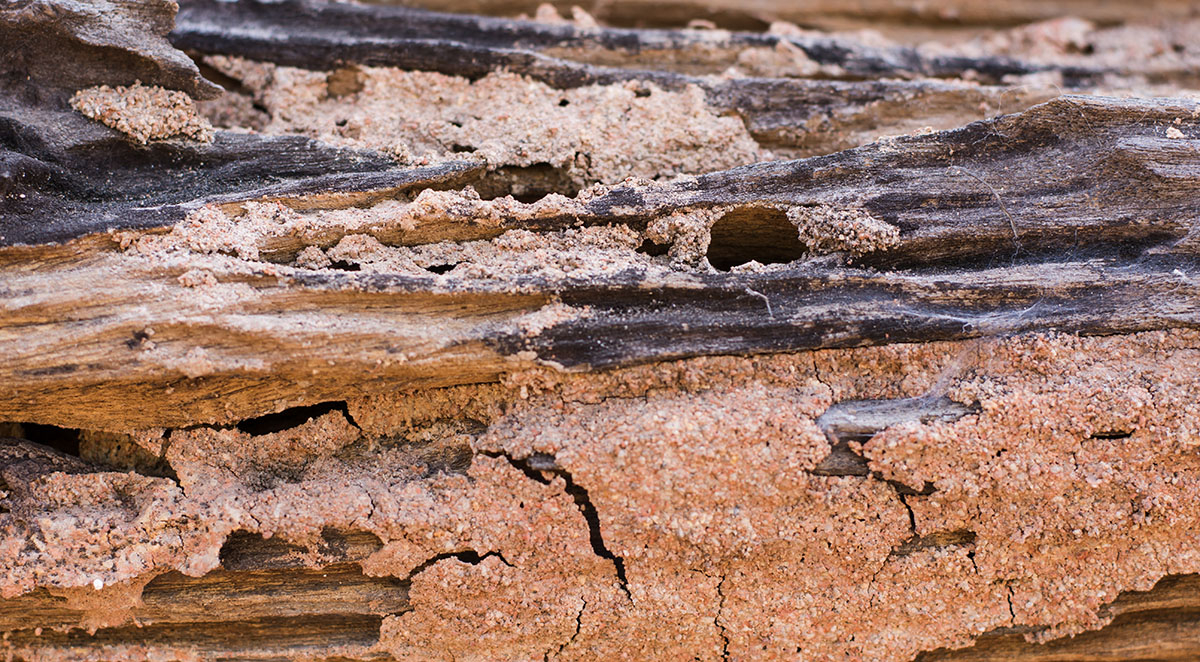
Manning's Pest Control performs termite inspections, WDIR reports, and termite treatments for homes and businesses in Leland and across Brunswick County. Termites can cause serious structural damage long before any sign appears, so regular professional inspections are the most reliable way to protect your property. Our licensed technicians know how termites behave in the coastal Carolina climate and give you a clear, documented picture of your home's condition.
How Termites Threaten Your Property
Termites feed on wood and can damage a home or commercial building extensively if left untreated. They work silently inside floor joists, wall cavities, and crawl spaces, where most owners rarely look. By the time visible damage shows up, a colony may be well established.
The southeastern North Carolina climate favors termite activity. Eastern subterranean termites cause approximately 95% of termite damage in coastal North Carolina, and they thrive in sandy, moist soil. This part of the state is considered to have a high potential for termite infestation, so preventive steps and routine inspections make a real difference.
Common Signs of Termites
Knowing what to look for helps you catch problems early. Call a termite company if you notice:
- Mud tubes on exterior walls, foundations, or in the crawl space
- Damaged, warped, or hollow-sounding wood
- Discarded wings near windows and doors
- Swarming insects inside or around the home
- Holes in wood, wood products, or paper
- Bubbling or uneven paint on wood surfaces
- Tight-fitting doors or windows
- A musty or earthy smell
Know Your Swarm Season
Subterranean termites usually begin swarming in March and April, depending on the weather. Coastal properties can also experience secondary swarms during humid summer months and after fall storms. Seeing swarmers or a pile of shed wings indoors is a strong reason to schedule a termite inspection near Leland.
Termites or Flying Ants
Swarming termites are often mistaken for flying ants. A few differences can help you tell them apart:
- Termite wings are equal in length, while ant wings are different sizes.
- Termites have straight antennae, while ants have bent antennae.
- Termites have thick waists, while ants have pinched waists.
- Termite workers are light-colored, while ant workers are darker.
Our Termite Inspection Process
Each termite inspection in Leland, NC, follows a thorough, step-by-step approach:
- Full structural assessment of the home, including the foundation, crawl space, and accessible wood
- Search for activity and damage, such as mud tubes, damaged wood, frass, and discarded wings
- Moisture evaluation to identify leaks, drainage issues, poor ventilation, and wood-to-soil contact
- Species identification so treatment matches the termite present
- Documentation of all findings for your records, warranty, or real estate needs
- Recommendations and a free estimate for any treatment needed
WDIR Reports in Leland and Brunswick County
Termite inspection letters are often part of a real estate transaction. Manning's makes it easier for agents to protect their buyers and sellers. Our termite experts inspect the entire dwelling for termite damage before closing and provide the real estate agent with a comprehensive inspection report.
After the inspection, we prepare both the report and the closing letter. Leland is one of the communities we serve for WDIR inspections, along with Wilmington, Oak Island, Southport, Shallotte, and Supply. Agents can request service on our Realtor WDIR Reports page. Our termite warranty also includes documentation for real estate transactions and transferable coverage for home sales.
Termite Treatment Options
If our inspection confirms termite activity, our termite exterminator team in Leland, NC, will recommend the right approach. Our termite control options include:
- Liquid barrier treatments around foundations
- Termite bait station systems
- Wood treatments and injections
- Combination approaches for complex infestations
- Regular monitoring and maintenance programs
Liquid treatments typically last five to ten years. Bait stations require ongoing monitoring and maintenance. Retreatment may be needed if structural changes occur.
Termite Pretreats for New Construction
Building a new home is the ideal time to prevent termites. We offer preventive treatments for new construction and welcome the opportunity to bid on termite pretreat projects, large or small, for builders and homeowners.
Termite Bonds and Warranty Coverage
Manning's is one of the only companies in Brunswick County that offers a repair guarantee on our termite bonds. Warranty coverage includes annual inspections, retreatment if termites return, documentation for real estate transactions, transferable coverage, damage repair coverage on select plans, and extended coverage options.
Moisture Control and Termite Prevention
Termites are drawn to moisture, and damp crawl spaces give them ideal conditions. Our crawl space encapsulation and dehumidifier installation services help keep the area beneath your home dry. We use Fral dehumidifiers for their functionality and affordability.
You can also reduce risk at home by following these steps:
- Keep wood and mulch away from the house.
- Maintain proper drainage around the foundation.
- Fix leaks and moisture problems promptly.
- Remove dead trees and stumps near buildings.
- Schedule an inspection every year.
For more on DIY risks, read our article on why you shouldn't DIY your termite control.
Why Choose Manning's
Manning's Pest Control has served Brunswick and New Hanover counties for over 45 years. We answer the phones, call people back, show up on time, and respond to service requests within hours. Our technicians wear boot covers inside your home and provide detailed service information after every visit. We are local, licensed, and insured, and we serve both residential and commercial properties.
Frequently Asked Questions
How often should I have a termite inspection?
Annual inspections are recommended regardless of whether your home has been treated. Higher-risk properties may benefit from inspections twice a year.
Does homeowner insurance cover termite damage?
Most homeowner insurance policies do not cover termite damage. This is one reason regular inspections and a termite bond are so valuable.
Can I treat termites myself?
Professional treatment is strongly recommended. DIY treatments rarely reach the entire colony, proper application requires specialized equipment, and incorrect treatment can drive termites deeper into the structure.
How do I prepare for a termite inspection?
Move items away from walls, provide access to crawl spaces, clear stored items from treatment areas, and secure pets.
How much does a termite inspection cost?
Cost depends on the size and construction of your property and the services needed. Contact us for a free inspection and detailed quote.
Schedule Your Termite Inspection
Early detection is the best defense against costly termite damage. Whether you need a routine inspection, a WDIR report for closing, or treatment for active termites, our team is ready to help. Contact Manning's Pest Control or call 910-457-5289 to schedule your inspection today.