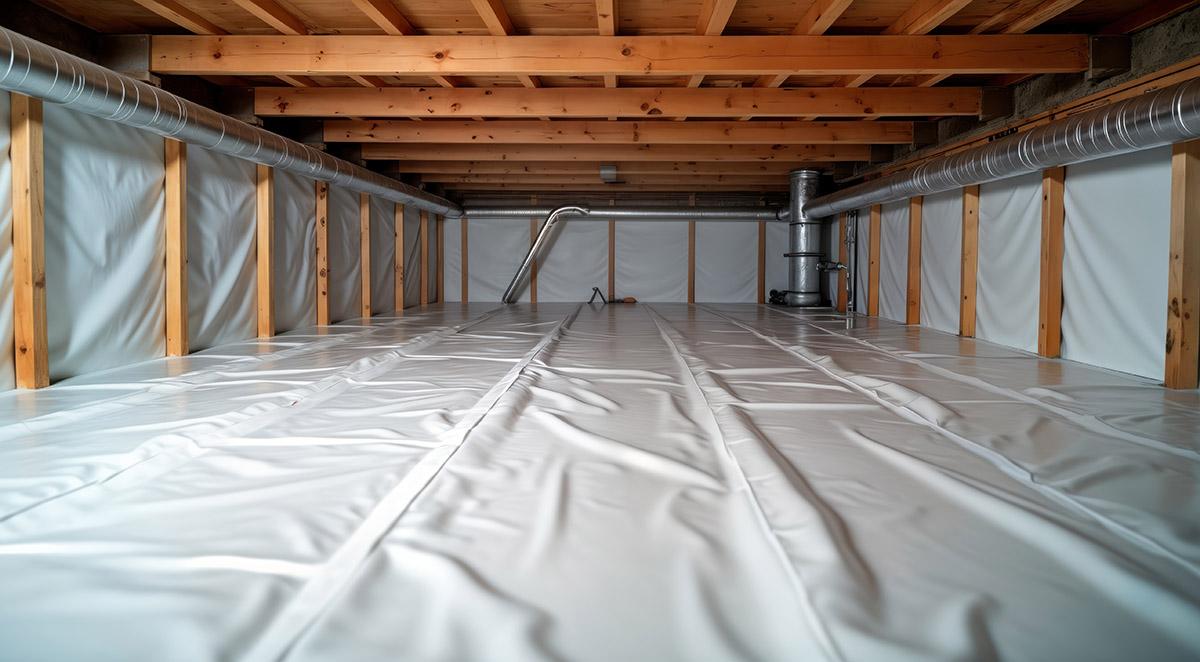
At Manning's Pest Control, we've been serving Brunswick and New Hanover counties for over 47 years, and we've seen firsthand how crawl space encapsulation can transform problematic spaces into clean, dry, and healthy environments. This comprehensive solution addresses multiple issues simultaneously, making it one of the most effective investments you can make in your home's long-term health.
Crawl space encapsulation involves sealing your crawl space with heavy-duty plastic vapor barriers, controlling moisture levels, and creating a controlled environment that protects your home from the ground up. Let's explore the seven most common problems that crawl space encapsulation can solve for your North Carolina home.
Problem 1: Moisture and Humidity Issues
Excessive moisture in crawl spaces is perhaps the most widespread problem we encounter in coastal North Carolina. The combination of our humid subtropical climate, seasonal rainfall, and proximity to water creates perfect conditions for moisture accumulation beneath homes.
When moisture levels remain high in your crawl space, several serious problems develop. Wood structural elements begin to absorb water, leading to swelling, warping, and eventual rot. Metal components like ductwork and support brackets can corrode over time. Floor joists, subflooring, and support beams become compromised, potentially affecting your home's structural integrity.
High humidity also creates an environment where mold and mildew thrive. These organisms don't just damage building materials – they can also impact your family's health. Mold spores travel throughout your home via air currents, potentially triggering allergies, respiratory issues, and other health concerns.
Crawl space encapsulation creates a moisture barrier that prevents ground moisture from entering your crawl space. By installing heavy-duty vapor barriers on floors and walls, sealing air leaks, and implementing proper moisture control systems, encapsulation maintains optimal humidity levels year-round. This controlled environment protects your home's structural elements and creates a healthier living space for your family.
Problem 2: Pest Infestations
Moisture-rich crawl spaces act like magnets for unwanted pests. Termites, in particular, are drawn to damp wood and can cause thousands of dollars in structural damage before homeowners even realize they have a problem. Subterranean termites, common throughout Brunswick County, build mud tubes from the ground up into wooden structures, using your crawl space as their highway into your home.
Other pests also find damp crawl spaces irresistible. Cockroaches seek out humid environments for breeding and feeding. Ants establish colonies in moist soil beneath homes. Silverfish thrive in humid conditions and feed on organic materials found in crawl spaces. Even larger pests like rodents are attracted to the shelter and water sources that problematic crawl spaces provide.
Encapsulation disrupts this cycle by eliminating the moisture and conditions that attract pests. A properly encapsulated crawl space becomes an inhospitable environment for most common household pests. The vapor barriers create a clean, dry surface that's difficult for pests to navigate or colonize. Combined with professional pest control services, encapsulation forms a comprehensive defense system against unwanted invaders.
Problem 3: Poor Indoor Air Quality
Many homeowners don't realize that up to 40% of the air they breathe comes from their crawl space. This phenomenon, known as the "stack effect," occurs as warm air rises through your home and draws replacement air from below. If your crawl space contains mold, mildew, dust, or other contaminants, these pollutants circulate throughout your living spaces.
Poor crawl space air quality can trigger a range of health symptoms. Family members might experience increased allergies, respiratory irritation, headaches, or fatigue without realizing the source is beneath their feet. Children and elderly family members are often most susceptible to these air quality issues.
Musty odors are another common indicator of crawl space problems. That distinctive "basement smell" often originates from mold and mildew growth in damp crawl spaces. These odors can permeate your entire home, making living spaces uncomfortable and potentially embarrassing when guests visit.
Encapsulation dramatically improves indoor air quality by creating a clean, controlled environment beneath your home. Vapor barriers prevent moisture-related mold growth, while proper sealing prevents outside air and contaminants from entering your crawl space. Many homeowners report noticeable improvements in air quality and reduced allergy symptoms after encapsulation.
Problem 4: High Energy Bills
Problematic crawl spaces can significantly impact your home's energy efficiency, leading to higher utility bills throughout the year. When moisture damages insulation, your HVAC system must work harder to maintain comfortable temperatures. Wet or compressed insulation loses much of its effectiveness, allowing conditioned air to escape and outside air to infiltrate your home.
Air leaks in crawl spaces also contribute to energy waste. During summer months, hot, humid air enters through vents and gaps, forcing your air conditioning system to work overtime. In winter, cold air infiltration makes your heating system run more frequently. These temperature fluctuations not only increase energy costs but also create uncomfortable living conditions.
Ductwork problems compound energy efficiency issues. When HVAC ducts run through problematic crawl spaces, condensation can form on cold surfaces, reducing system efficiency and potentially damaging ductwork. Leaky ducts in humid crawl spaces can also introduce moisture and contaminants into your home's air circulation system.
Encapsulation creates a conditioned space that supports your home's overall energy efficiency. By controlling temperature and humidity levels in your crawl space, your HVAC system operates more efficiently. Proper sealing eliminates air leaks, while dry conditions prevent insulation damage. Many homeowners see noticeable reductions in their energy bills after professional encapsulation.
Problem 5: Musty Odors
Persistent musty odors in your home often originate from crawl space moisture problems. These odors develop when organic materials like wood, paper, or fabric begin to decompose in humid conditions. Mold and mildew growth also produce distinctive smells that can permeate your entire home through air circulation.
The musty smell isn't just unpleasant – it indicates ongoing moisture problems that could be affecting your family's health. These odors often worsen during humid summer months or after heavy rainfall, when crawl space moisture levels spike. Traditional solutions like air fresheners only mask the problem temporarily without addressing the underlying moisture issues.
Odor problems can also affect your home's value and marketability. Potential buyers often notice musty smells during home tours, which can raise concerns about hidden moisture damage or mold problems. Real estate professionals frequently recommend addressing crawl space issues before listing homes for sale.
Encapsulation eliminates musty odors by removing their source. Once moisture levels are controlled and existing mold or mildew is remediated, odor problems typically disappear permanently. The clean, dry environment created by encapsulation prevents future odor development, keeping your home fresh and comfortable.
Problem 6: Wood-Destroying Fungi
Wood-destroying fungi represent one of the most serious threats to homes with moisture problems. These organisms thrive in damp conditions and can cause extensive structural damage over time. Unlike visible mold growth, wood-destroying fungi often develop within wooden structural elements, making them difficult to detect until significant damage has occurred.
Fungi weaken wood by breaking down cellulose and lignin, the structural components that give wood its strength. As fungi spread, affected wood becomes spongy, discolored, and eventually loses its load-bearing capacity. Floor joists, support beams, and subflooring are particularly vulnerable to fungal damage in humid crawl spaces.
The financial impact of wood-destroying fungi can be substantial. Structural repairs often require significant investment, and extensive damage might affect your home's safety and habitability. Some types of fungal damage can also impact your home's resale value and may complicate future real estate transactions.
Encapsulation prevents wood-destroying fungi by maintaining moisture levels below the threshold needed for fungal growth. Most wood-destroying fungi require moisture content above 20% to survive and spread. Properly encapsulated crawl spaces maintain wood moisture content well below this critical level, protecting your home's structural integrity.
Problem 7: Inconsistent Indoor Temperatures
Homes with problematic crawl spaces often experience uneven temperatures throughout living areas. Some rooms may feel consistently cold, while others remain uncomfortably warm. These temperature variations occur when crawl space conditions interfere with your home's thermal envelope and HVAC system performance.
Cold floors are another common symptom of crawl space problems. During winter months, floors above unconditioned crawl spaces can feel uncomfortably cold, even when your heating system is running efficiently. This not only affects comfort but also forces you to set thermostats higher to compensate, increasing energy costs.
Temperature fluctuations can also strain your HVAC system, leading to more frequent repairs and shorter equipment lifespan. When your system struggles to maintain consistent temperatures, components work harder and experience more wear over time. This can result in unexpected repair costs and premature system replacement.
Encapsulation helps maintain consistent indoor temperatures by creating a thermal barrier between your home and the ground. This controlled environment reduces temperature fluctuations and helps your HVAC system operate more efficiently. Many homeowners report improved comfort and more even temperatures throughout their homes after encapsulation.
How Encapsulation Solves These Problems
Professional crawl space encapsulation addresses all seven problems through a comprehensive approach to moisture control and environmental management. The process begins with thorough cleaning and preparation, removing debris, standing water, and any existing mold or mildew growth.
Heavy-duty vapor barriers are then installed on crawl space floors and walls, creating a continuous moisture barrier. These barriers are typically 6-mil or thicker polyethylene sheeting designed to withstand foot traffic and resist tearing. All seams are carefully sealed to ensure complete coverage.
Air sealing is another critical component of encapsulation. Professional technicians seal gaps around pipes, electrical penetrations, and rim joists to prevent outside air infiltration. Crawl space vents are typically sealed as part of this process, creating a conditioned space rather than a vented one.
Dehumidification systems may be installed to maintain optimal humidity levels year-round. These systems automatically monitor and control moisture levels, ensuring your crawl space remains dry regardless of external weather conditions.
The integration of encapsulation with professional pest control services provides comprehensive protection for your home. At Manning's Pest Control, we understand how moisture problems contribute to pest infestations. Our comprehensive pest management approach addresses both the immediate pest problems and underlying conditions that attract unwanted invaders.
Frequently Asked Questions
How long does crawl space encapsulation last?
Professional crawl space encapsulation typically lasts 15-20 years or more with proper installation and minimal maintenance. High-quality vapor barriers and proper sealing create durable protection that continues working for decades.
Will encapsulation help with my allergies?
Many homeowners experience reduced allergy symptoms after encapsulation due to improved indoor air quality. By eliminating mold, mildew, and moisture sources, encapsulation reduces common allergens circulating through your home.
How much does crawl space encapsulation cost?
Encapsulation costs vary based on crawl space size, existing conditions, and specific requirements. Contact our team for a detailed assessment and customized quote for your property.
Can I encapsulate my crawl space myself?
While DIY encapsulation is possible, professional installation ensures proper moisture control, air sealing, and long-term effectiveness. Our experienced technicians understand coastal North Carolina's unique challenges and building requirements.
Will encapsulation affect my home's ventilation?
Properly designed encapsulation systems improve overall home ventilation by controlling moisture and air quality. Your HVAC system will operate more efficiently in the controlled environment created by encapsulation.
How do I know if my crawl space needs encapsulation?
Common signs include musty odors, high humidity, visible mold growth, pest problems, cold floors, and high energy bills. Our team provides thorough inspections to assess your crawl space conditions and recommend appropriate solutions.
Does encapsulation help prevent termite damage?
While encapsulation doesn't directly prevent termites, it eliminates the moisture conditions that attract them. Combined with professional pest control services, encapsulation creates an inhospitable environment for wood-destroying pests.
Protect Your Home with Professional Encapsulation
Crawl space encapsulation offers comprehensive solutions for multiple home maintenance challenges. From protecting your family's health to preserving your property value, this investment provides long-term benefits that extend far beyond moisture control.
At Manning's Pest Control, we've helped countless Brunswick and New Hanover County homeowners transform problematic crawl spaces into clean, healthy environments. Our experienced team understands the unique challenges facing coastal North Carolina homes and provides customized solutions that address your specific needs.
Don't let crawl space problems compromise your family's comfort and safety. Contact Manning's Pest Control today to schedule your comprehensive crawl space assessment and discover how encapsulation can solve your home's moisture and pest problems for years to come.