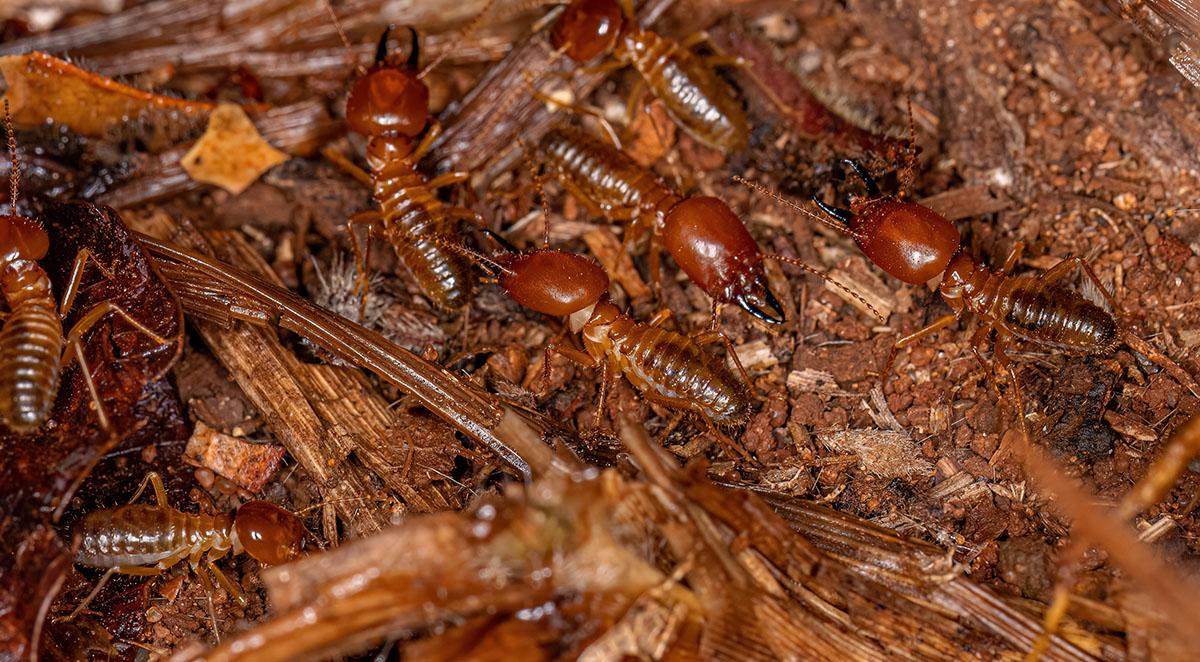
Coastal North Carolina's beach climate creates some of the most favorable conditions for termite activity anywhere in the United States. The combination of high humidity, consistent temperatures, and unique environmental factors makes beachfront and near-coastal properties particularly attractive to these destructive pests. What makes this particularly challenging is that many property owners don't realize their beach location significantly increases their termite risk until damage has already occurred.
At Manning's Pest Control, we've been protecting coastal properties throughout Brunswick and New Hanover counties for over 47 years. Our experience serving beach communities from Sunset Beach to Carolina Beach has taught us that coastal termite problems require specialized knowledge and targeted prevention strategies. We've seen firsthand how beach climates accelerate termite colony growth and activity, creating challenges that inland properties rarely face.
1. The Science Behind Beach Climate Termite Attraction
Understanding why termites thrive in coastal environments requires examining the fundamental conditions these insects need to survive and reproduce. Termites are surprisingly delicate creatures despite their destructive capabilities, requiring specific temperature ranges, moisture levels, and environmental conditions to establish successful colonies.
Year-Round High Humidity: Nature's Perfect Termite Incubator
Beach climates maintain humidity levels that termites find irresistible throughout the entire year:
- 60-80% humidity levels year-round create constant moisture availability
- Consistent moisture from ocean breezes prevents seasonal drying periods
- Limited seasonal drying periods that would normally stress colonies
- Frequent fog and morning dew providing additional moisture sources
This consistent humidity represents a dramatic difference from inland areas, where seasonal dry periods naturally limit termite populations. In beach communities, termites never experience the moisture stress that reduces colony sizes and activity levels elsewhere. The result is larger, more active colonies that can cause significantly more damage in shorter timeframes.
The ocean's moderating influence on atmospheric moisture creates what entomologists call a "microclimate effect." Even during typically dry seasons, coastal areas maintain humidity levels that keep termite colonies active and growing. Properties just five miles inland often experience seasonal moisture variations that provide natural breaks in termite pressure – a benefit that coastal properties simply don't enjoy.
Temperature Stability: Extending Termite Season
Ocean effects moderate coastal temperatures in ways that dramatically favor termite activity:
- Fewer extreme temperature swings throughout seasonal changes
- Extended active seasons for foraging beyond typical inland patterns
- Reduced winter colony mortality allowing larger spring populations
- Earlier spring emergence patterns creating longer active seasons
These stable temperature conditions allow coastal termite colonies to remain active during periods when inland colonies become dormant. The practical effect means coastal properties face termite pressure for eight to ten months per year instead of the typical four to six months experienced inland.
Winter temperatures in coastal areas rarely drop low enough to force termite colonies into true dormancy. While inland colonies shut down during cold months, coastal colonies continue feeding and growing at reduced rates. By spring, coastal colonies emerge significantly larger and more aggressive than their inland counterparts.
Perfect Soil Conditions: Underground Highway Systems
Sandy coastal soils create ideal conditions for subterranean termite movement and colony expansion:
- Easy tunnel excavation through loose, sandy substrates
- Excellent drainage preventing tunnel flooding during storms
- Consistent moisture retention within soil profiles
- Minimal clay interference allowing rapid colony expansion
Coastal soils also tend to have higher organic content from marine influences, providing additional food sources that support larger termite populations. The combination of easy excavation and abundant food creates conditions where termite colonies can grow exponentially larger than typical inland populations.
2. Coastal Termite Species: Know Your Enemy
Understanding which termite species threaten coastal properties helps property owners recognize signs and seek appropriate treatments.
Eastern Subterranean Termites: The Primary Coastal Threat
Eastern subterranean termites cause approximately 95% of termite damage in coastal North Carolina. These soil-dwelling insects build massive underground colonies that can contain hundreds of thousands of individuals. They construct characteristic mud tubes to access wooden structures while maintaining the moisture levels they require for survival.
In coastal environments, subterranean termite colonies grow significantly larger than inland populations. The consistent moisture and stable temperatures allow colonies to support multiple satellite locations, effectively creating "super colonies" that can attack structures from multiple directions simultaneously.
Formosan Termites: Aggressive Coastal Invaders
While less common in North Carolina, Formosan termites have established populations in some coastal areas and represent an extremely serious threat:
- Build colonies containing millions of individuals versus hundreds of thousands
- Attack living trees and structures simultaneously
- Construct aerial nests without requiring soil contact
- Cause structural damage more rapidly than native species
Formosan termites earned the nickname "super termites" due to their aggressive feeding behavior and ability to establish multiple colony sites. Their presence in coastal areas represents a significant escalation in potential damage rates.
Professional termite identification becomes crucial because different species require completely different treatment approaches and prevention strategies.
Understanding Coastal Swarming Patterns
Coastal termite swarming follows predictable patterns that help with early detection and prevention timing:
- Spring Primary Season (March-May): Peak reproductive activity following winter dormancy
- Summer Secondary Activity (June-August): Continued swarming during peak colony growth
- Fall Storm Response (September-November): Increased activity following hurricane moisture
Coastal properties often experience extended swarming seasons due to stable environmental conditions. Property owners may observe multiple swarms throughout the year rather than the single spring event typical of inland areas.
3. Beach Property Vulnerabilities: Unique Coastal Challenges
Coastal construction methods and environmental exposures create vulnerabilities rarely encountered in inland properties.
Elevated Foundation Challenges
Many beach properties utilize elevated construction designed for flood protection, but these designs inadvertently create ideal termite entry opportunities:
- Pier and piling foundations with numerous potential entry points
- Poor crawl space ventilation in enclosed elevated areas
- Moisture accumulation beneath structures from ground vapor
- Hidden termite activity behind decorative skirting
Elevated foundations often trap moisture-laden air in enclosed spaces beneath homes. This trapped moisture creates perfect conditions for termite colony establishment while remaining largely invisible to property owners. Regular inspection of these areas becomes critical for early problem detection.
Deck and Pier Exposure: Constant Moisture Contact
Coastal outdoor structures face environmental challenges that make them exceptionally vulnerable to termite attack:
Direct Environmental Exposure: Salt air creates corrosion that compromises protective coatings, while frequent storm water exposure saturates wood materials. Ground contact points, particularly common in dock and pier construction, provide direct termite access routes. The combination of moisture exposure and structural contact creates ideal conditions for termite establishment.
Structural Vulnerabilities: Coastal structures often feature complex designs with numerous joints and connection points. Each connection represents a potential entry point, while the constant moisture exposure weakens wood and creates favorable feeding conditions.
Storm Damage: Creating New Vulnerabilities
Hurricanes and coastal storms create both immediate and long-term termite vulnerabilities that property owners must address promptly:
Immediate Storm Concerns:
- Flooding events that saturate wooden structural members
- Debris accumulation against foundations creating moisture traps
- Roof and siding damage allowing interior moisture infiltration
- Foundation settling creating new soil-to-wood contact points
Long-Term Vulnerability Development: Storm damage often creates conditions that favor termite establishment months or even years after the initial event. Increased humidity in enclosed spaces, compromised structural integrity, and new moisture infiltration points can attract termites long after visible storm damage has been repaired.
Recovery Period Risks: The months following major storms present elevated termite risk as colonies take advantage of damaged structures and increased moisture levels. Property owners focused on visible damage may overlook conditions that encourage termite activity.
Vacation Rental Property Challenges
Properties used as vacation rentals face unique termite detection and prevention challenges that can allow problems to develop undetected:
- Inconsistent monitoring by rotating guests unfamiliar with properties
- Delayed problem recognition due to sporadic occupancy
- Irregular maintenance schedules that may miss early warning signs
- Limited professional oversight during unoccupied periods
The combination of irregular occupancy and unfamiliar guests means termite warning signs may go unnoticed for extended periods. By the time problems are detected, significant damage may have already occurred.
4. Advanced Beach-Specific Prevention Strategies
Effective coastal termite prevention requires approaches specifically designed for beach environment challenges.
Comprehensive Moisture Management
Managing the abundant moisture in coastal environments requires multi-layered approaches addressing both structural and environmental factors:
Advanced Structural Solutions:
- Professional crawl space encapsulation creating moisture barriers
- Enhanced foundation ventilation systems promoting air circulation
- Comprehensive plumbing inspection programs identifying hidden leaks
- Vapor barrier installation in critical areas
Sophisticated Landscape Management:
- Strategic grading directing water away from structures
- Vegetation management balancing aesthetics with termite prevention
- Drainage system installation handling storm water effectively
- Organic matter management reducing attractive conditions
Crawl space encapsulation services prove particularly effective for coastal properties dealing with persistent ground moisture and elevated humidity levels.
Professional Inspection Programs
Beach properties require more intensive monitoring than inland homes due to accelerated termite activity and extended seasons:
Comprehensive Annual Inspections:
- Complete structural assessments by licensed termite professionals
- Advanced monitoring station networks providing early warning
- Detailed documentation supporting insurance and warranty requirements
- Professional WDIR reports for real estate transactions
Enhanced Owner Monitoring Programs:
- Monthly visual inspections during peak season
- Seasonal moisture assessments identifying problem development
- Storm damage evaluations after severe weather events
- Photographic documentation tracking changes over time
Storm Response Protocols
Rapid response after coastal storms prevents termite problems by addressing conditions before colonies can establish:
Immediate Post-Storm Actions:
- Debris removal from foundation areas within 48 hours
- Moisture infiltration assessment and immediate repairs
- Structural damage evaluation identifying new vulnerabilities
- Drainage restoration preventing water accumulation
Follow-Up Prevention Measures:
- Professional post-storm inspections within 30 days
- Enhanced monitoring in previously damaged areas
- Preventive treatment application in vulnerable locations
- Long-term vulnerability assessment and mitigation planning
5. Frequently Asked Questions
Are termites more active in beach areas than inland locations?
Absolutely. Coastal areas experience significantly higher termite activity due to consistently favorable environmental conditions. Beach properties face year-round termite pressure rather than the seasonal variations that naturally limit inland populations. The combination of stable humidity, moderate temperatures, and sandy soils allows coastal colonies to grow much larger and remain active for extended periods.
Do coastal termites cause damage faster than inland species?
Yes, termite damage typically progresses more rapidly in beach climates. The favorable conditions support larger, more active colonies that can consume wood at accelerated rates. Additionally, the constant moisture exposure in coastal environments softens wood materials, making them easier for termites to consume. Regular professional monitoring becomes even more critical for coastal properties.
Can salt air kill or deter termites naturally?
This is a common misconception among coastal property owners. Salt air does not kill or deter termites in any meaningful way. In fact, salt particles in the air actually attract additional atmospheric moisture, creating even more favorable conditions for termite activity. Property owners should not rely on salt air for any form of termite protection.
When is termite swarming season in coastal North Carolina?
Coastal areas experience extended and more complex swarming patterns than inland regions. Primary swarming typically occurs from March through May, but coastal properties may experience secondary swarms during humid summer periods and following fall storms. The extended favorable conditions can result in swarm activity throughout much of the year rather than the brief spring season typical of inland areas.
How often should beach houses receive professional termite inspections?
Beach properties should receive professional termite inspections annually at minimum, with many high-risk properties benefiting from bi-annual inspections. The accelerated termite activity in coastal environments means problems can develop and progress much more rapidly than in inland locations. Property owners should also conduct monthly visual inspections during peak season.
What makes beach house termite damage different from inland properties?
Beach house termite damage often progresses faster due to favorable environmental conditions and larger colony sizes. Coastal properties may also experience unique damage patterns related to elevated construction, extensive decking, and storm-related vulnerabilities. The combination of accelerated activity and structural vulnerabilities means coastal damage can become severe more quickly than inland properties.
Can vacation rental properties receive adequate termite protection?
Yes, but vacation rentals require more structured and intensive monitoring programs due to inconsistent occupancy. Property management companies should establish regular professional inspection schedules, staff training programs, and detailed monitoring protocols. The irregular occupancy actually increases the importance of professional oversight since guests cannot provide consistent monitoring.
Do construction materials affect termite attraction in coastal areas?
While building materials don't directly attract termites, coastal construction often features extensive wood decking, elevated foundations, and complex structural designs that create more vulnerable conditions. The coastal environment's effect on materials – such as accelerated wood softening from moisture exposure – can make structures more susceptible to termite damage once colonies establish.
6. Protect Your Coastal Investment
Beach climates absolutely attract termites, creating unique challenges that require specialized knowledge and prevention approaches. The combination of consistent high humidity, stable temperatures, and favorable soil conditions provides ideal termite habitat that extends far beyond typical seasonal patterns.
Understanding these challenges empowers property owners to implement effective prevention strategies including comprehensive moisture control, intensive monitoring programs, and rapid storm response protocols. The key to successful coastal termite prevention lies in recognizing that beach properties face fundamentally different challenges requiring specialized approaches.
At Manning's Pest Control, we've developed comprehensive coastal termite protection programs based on nearly five decades of beach community experience. Our specialized knowledge of coastal termite behavior, combined with advanced monitoring and treatment technologies, provides the protection coastal properties require.
The investment in proper termite prevention and monitoring pays dividends through prevented damage, maintained property values, and peace of mind. Coastal properties represent significant investments that deserve protection designed specifically for their unique environmental challenges.
Our comprehensive termite protection services address the specific challenges facing coastal properties while providing the thorough protection and ongoing monitoring these vulnerable locations require.
Don't let termites compromise your coastal investment or your family's safety. Contact Manning's Pest Control today to schedule your comprehensive termite inspection and discover how our specialized coastal expertise can protect your beach property for decades to come.