Quick Summary
- Beach homes face a uniquely concentrated combination of pest risk factors: salt air deterioration, persistent humidity, pier-and-beam construction, seasonal vacancy, and proximity to natural pest habitat
- The most damaging pests in coastal beach homes are subterranean termites, cockroaches, and rodents, all of which exploit the specific vulnerabilities of coastal construction
- Seasonal vacancy is one of the most underappreciated risk factors: pests establish populations during quiet periods when no one is present to notice
- Crawl space health is the single most important structural factor in protecting a beach home from long-term pest damage
- Year-round pest coverage is the only approach that provides reliable protection for properties that cycle through occupancy and vacancy
- Manning's serves the full Brunswick County coast and can structure service visits around rental calendars
The Beach House Pest Problem Is a Design Problem
Most pest problems in beach homes aren't random. They trace back directly to the way coastal homes are built and where they sit. Understanding the design factors that create vulnerability is the first step toward addressing them effectively.
Pier-and-Beam and Elevated Foundations
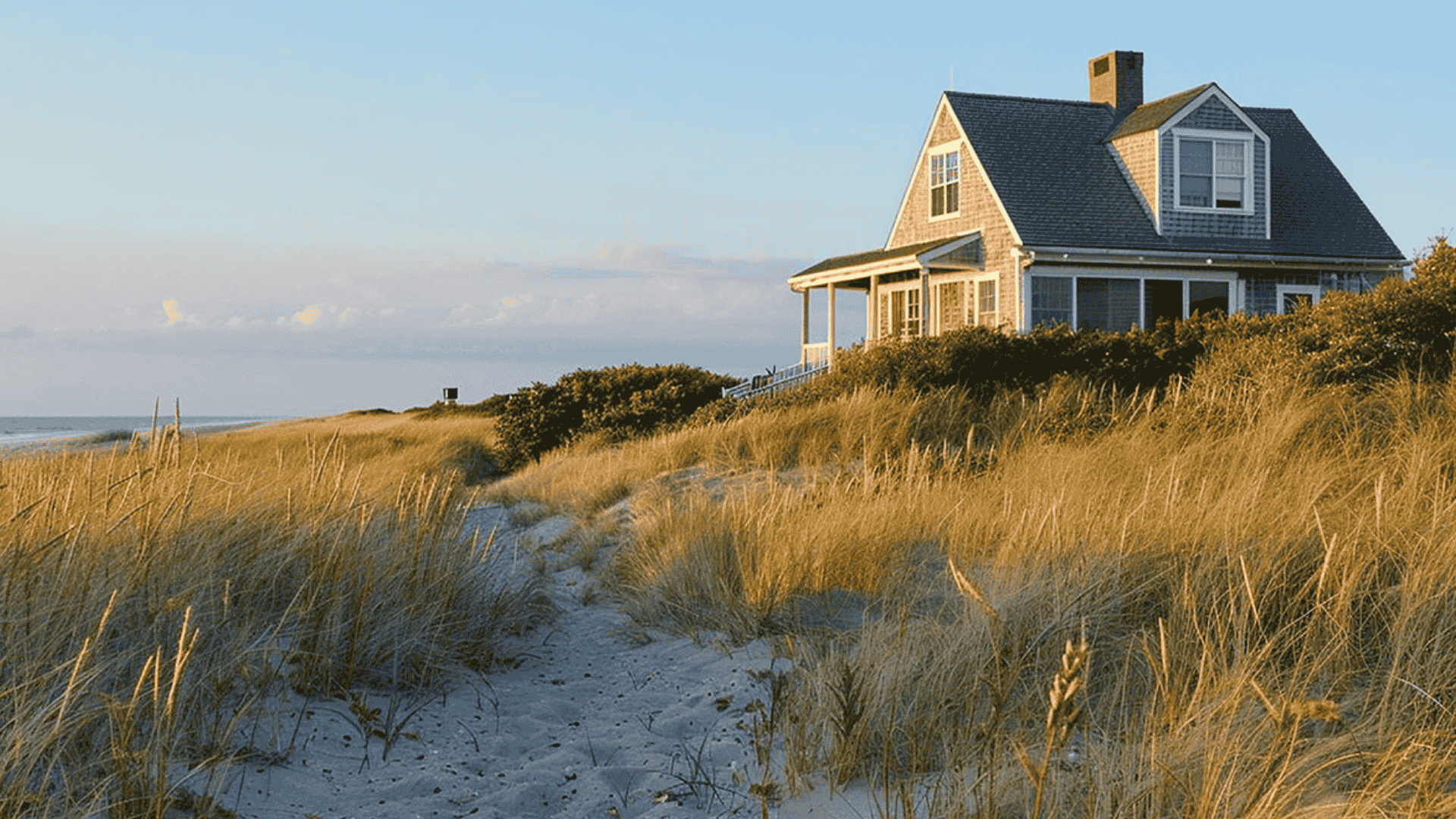
The vast majority of beach homes along the Brunswick County coast are built on pier-and-beam or elevated foundations rather than slab. This construction style is appropriate and necessary for coastal environments — it provides flood tolerance and allows for natural airflow beneath the structure. But it also creates a large, open crawl space or under-home area that is directly exposed to the coastal environment, including wind-driven moisture, salt air, and the sandy, humid soil beneath.
That exposed space is where a significant portion of coastal pest activity originates. Subterranean termites, which travel through soil to access structures, find pier-and-beam construction particularly accessible. Rodents shelter in the open space beneath elevated homes. The persistent moisture that collects in unencapsulated crawl spaces beneath beach homes creates conditions that accelerate wood decay and attract the pests that follow it.
Salt Air and Accelerated Material Wear
Salt air is hard on building materials in ways that have direct pest implications. Exterior wood, paint, caulking, and sealants all deteriorate faster in a salt air environment than they would inland. The gaps and cracks that develop as materials weather are the entry points that pests exploit. A beach home that goes two or three seasons without fresh exterior caulking and paint maintenance is likely developing entry points faster than the homeowner realizes.
This is especially significant around windows, door frames, utility penetrations, and the connections between exterior siding and foundation elements. These areas require more frequent inspection and maintenance at the coast than they would for an equivalent home ten miles inland.
Proximity to Natural Pest Habitat
Beach homes on Brunswick County's barrier islands sit in direct proximity to some of the most pest-hospitable natural environments in North Carolina. Tidal marshes, maritime shrub thickets, dune vegetation, and the Intracoastal Waterway all create habitat for mosquitoes, cockroaches, ants, and rodents that are essentially unlimited in their supply. The distance between that habitat and the average beach home's foundation is often a matter of feet, not miles.
The Four Pests Beach Homeowners Deal With Most
Not all pests present equally in coastal beach homes. These four are the ones Manning's addresses most consistently in barrier island and coastal communities.
Subterranean Termites
Termites are the pest that coastal homeowners most need to take seriously, and the one most likely to cause significant financial damage before the signs become obvious. The sandy, moist soils of Brunswick County's barrier islands are among the most favorable environments for subterranean termite colonies in North Carolina. Elevated foundations with wood-to-soil contact at the piers or support posts create direct access routes from termite colonies into structural wood.
The challenge with termites in beach homes is that much of the damage occurs in places homeowners rarely inspect: beneath the structure, inside floor joists, and within wall cavities. By the time visible signs appear, colonies are often well established. Annual termite inspections and a maintained termite bond are among the most important protective measures a beach homeowner can have in place.
American Cockroaches
American cockroaches, the large reddish-brown species commonly called palmetto bugs, are perfectly adapted to the warm, humid conditions of coastal North Carolina. They enter beach homes through gaps around pipes, utility penetrations, and foundation vents, and they thrive in the crawl spaces and wall voids where moisture and warmth combine. Vacation and rental properties that sit unoccupied for stretches of time are particularly vulnerable, since the lack of human activity removes one of the most natural deterrents to cockroach establishment.
Cockroach activity in a beach home isn't just a comfort issue. It's a sanitation and health concern, particularly for rental properties where guests expect and deserve a clean, pest-free environment.
Rodents
Rats and mice are year-round residents of coastal NC communities, and beach homes offer them some of the best harborage conditions available. The open space beneath an elevated structure is an ideal protected nesting site. The seasonal vacancy of many beach homes means rats and mice can establish nests and raise multiple generations without interruption. By the time a homeowner arrives for the season, a rodent problem that started as a single pair of mice can have grown into a significant infestation.
Entry points for rodents in beach homes are often found at foundation penetrations for plumbing and utilities, gaps in exterior siding, and deteriorated soffit and fascia materials that have been weakened by salt air exposure. Rodent exclusion, which identifies and seals these entry points, is one of the most cost-effective pest protection investments a beach homeowner can make.
Mosquitoes
The tidal marsh edges, salt pools, and Intracoastal-adjacent vegetation that characterize much of the Brunswick County barrier island landscape create some of the most intense mosquito breeding habitat in the state. Mosquitoes don't just affect comfort — they affect the usability and guest experience of a beach property. For rental homeowners, a mosquito problem can translate directly into negative reviews and lost bookings.
Effective mosquito control in a coastal beach community requires a program that accounts for the volume and variety of natural breeding sites in the surrounding environment, not just treatment of the property itself.
The Seasonal Vacancy Problem
Of all the factors that make beach homes more vulnerable to pests, seasonal vacancy may be the least appreciated. When a home sits unoccupied, the conditions that naturally deter pest establishment — human movement, light, temperature fluctuation from daily activity, regular cleaning — are absent. Pests interpret a quiet, undisturbed property as an invitation.
For vacation homeowners and rental property managers, the off-season is exactly when the most damaging pest activity often begins. Termite colonies advance. Rodents nest. Cockroach populations grow to the point where they spill into living areas. The property is next inspected when the owner or guests arrive in spring, by which point what started as a manageable situation has become a significant problem.
Year-round pest coverage addresses this directly. A property that receives scheduled service visits throughout the year, regardless of occupancy, maintains a treated perimeter and regular professional oversight that catches developing problems before they become expensive ones. Manning's structures service plans around rental calendars, provides documentation of every visit, and responds quickly when issues arise between scheduled treatments. To see what our customers say about our service, visit our reviews page.
Protecting the Crawl Space: The Most Important Thing You Can Do
If there is one structural investment that provides more pest protection value for a beach home than any other, it is proper crawl space encapsulation. The unprotected crawl space of a pier-and-beam beach home is the point of greatest vulnerability for subterranean termites, rodents, moisture damage, and the wood-destroying fungi that follow persistent dampness.
Our crawl space encapsulation services seal the space beneath your home from ground moisture and outside humidity, transforming it from a pest attraction into a dry, protected environment. Many beach homeowners who've struggled with recurring pest activity find that addressing the crawl space produces the most dramatic and durable improvement in their pest situation.
Practical Steps for Beach Homeowners
Beyond professional treatment, there are things every coastal beach homeowner can do to reduce their property's vulnerability between service visits:
- Inspect exterior caulking, paint, and sealants annually, paying close attention to window frames, door frames, and utility penetrations
- Keep the area beneath elevated structures clear of stored materials, debris, and vegetation that can serve as pest harborage
- Ensure gutters and downspouts are directing water away from the foundation and not creating pooling conditions near piers and support posts
- Inspect crawl space access hatches and vent screens for damage that could allow pest entry
- Store anything kept beneath or in the home in sealed plastic bins rather than cardboard, which deteriorates quickly in coastal humidity and provides nesting material for rodents
- Address any plumbing leaks or moisture intrusion promptly, as standing or dripping water beneath the structure is a powerful pest attractor
Frequently Asked Questions
Why do beach houses get more pests than regular homes?
Beach homes face a concentrated combination of risk factors that inland homes don't: pier-and-beam construction that creates accessible crawl spaces, salt air that accelerates material wear and creates entry points, proximity to natural pest habitat including tidal marshes and barrier island vegetation, persistent coastal humidity, and seasonal vacancy that removes the natural deterrent of regular human activity. Any one of these factors increases pest risk. Together they create conditions where consistent, professional pest management is essential rather than optional.
How often should a vacation beach home be treated for pests?
Year-round coverage is strongly recommended for vacation properties and rental homes. Seasonal or reactive treatment leaves properties unprotected during the periods when the most damaging pest activity is occurring. A year-round plan provides scheduled professional oversight throughout the year, regardless of how often the property is occupied.
What is the biggest pest threat to a beach home structurally?
Subterranean termites are the most structurally significant pest threat for coastal beach homes. The combination of favorable soil conditions, pier-and-beam construction, and the difficulty of detecting early activity makes them the pest most likely to cause major damage before the problem becomes obvious.
Does Manning's service vacation rental properties on a flexible schedule?
Yes. We work with vacation homeowners and rental property managers throughout the Brunswick County coast to schedule service visits around booking calendars and provide documentation of all treatments for rental records.
How do I get started with pest control for my beach home?
Contact our team or give us a call. We'll schedule a free estimate, assess your property's specific vulnerabilities, and recommend a service plan that fits your home and your calendar.
Conclusion
Beach homes are special places, and protecting them requires understanding the specific conditions that make them more vulnerable to pests than ordinary residential properties. Pier-and-beam construction, salt air wear, coastal habitat proximity, and seasonal vacancy create a combination of risk factors that year-round, professionally managed pest control is built to address.
Manning's Pest Control has been protecting coastal Brunswick County homes since 1976. If you own or manage a beach property on the North Carolina coast and want the peace of mind that comes with knowing your home is protected year-round, reach out to our team to get started.