Quick Summary
- Pier-and-beam and elevated foundations create sheltered open space beneath coastal homes where rodents can nest.
- Salt air breaks down caulking, paint, soffits, and fascia faster than it does inland, opening new entry points.
- Tidal marshes, dune vegetation, and the Intracoastal Waterway supply a constant rodent population close to your foundation.
- Seasonal vacancy lets rats and mice nest and multiply without interruption.
- Mice can fit through gaps as small as 1/4 inch, and rats through openings as small as 1/2 inch.
- Exclusion, crawl space moisture control, and year-round monitoring offer the most dependable protection.
1. Coastal Construction Gives Rodents Built-In Shelter
Many rodent problems in coastal homes trace back to how those homes are built.
Pier-and-Beam and Elevated Foundations
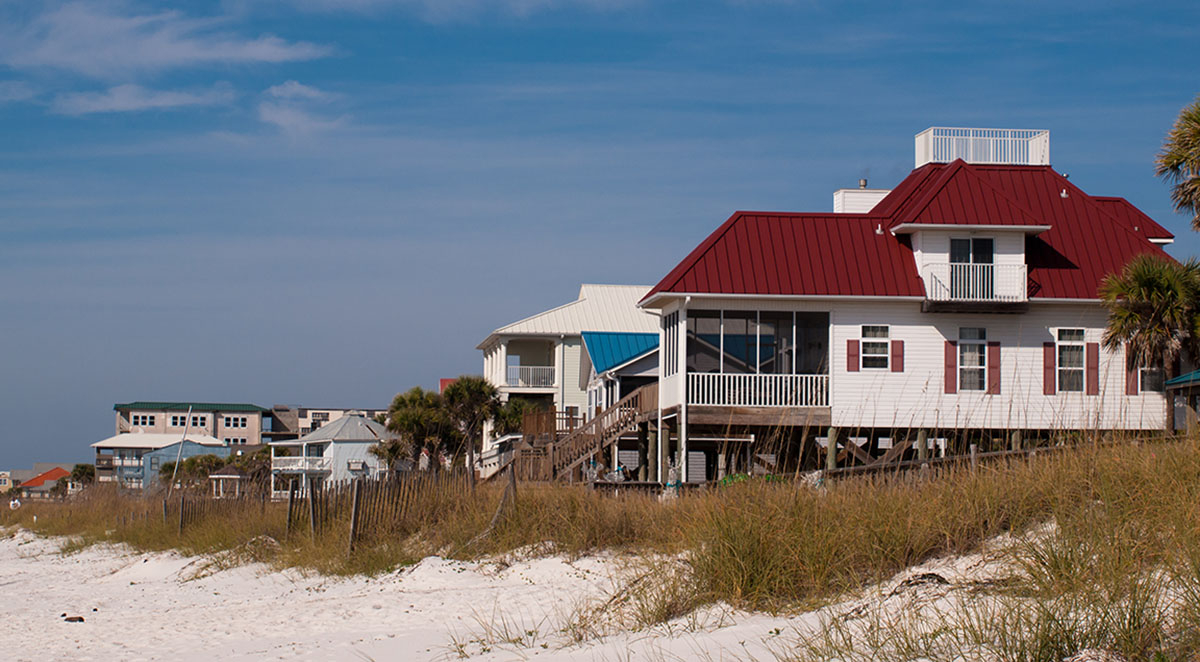
Many homes along the Brunswick County coast sit on pier-and-beam or elevated foundations. This style provides flood tolerance and airflow, and it also leaves a large, open area beneath the home that is exposed to wind-driven moisture, salt air, and sandy, humid soil. Rodents shelter in that protected space, and from there they look for ways into the floor system, walls, and living areas above.
Effective pier and beam rodent control starts underneath the house. Plumbing and utility penetrations through the floor, damaged crawl space vent screens, and loose access hatches all serve as doorways. Stored items under the home add more cover and nesting material.
Salt Air Wears Down Your Home's Defenses
Exterior wood, paint, caulking, and sealants deteriorate faster in salt air than they do inland. As those materials weather, small gaps develop around windows, door frames, utility lines, and the joints between siding and foundation elements. Soffit and fascia boards weakened by salt exposure are a common rodent entry point on coastal homes.
A home that goes two or three seasons without fresh caulking and paint may be developing openings faster than the owner realizes. Because a mouse needs a gap of only about 1/4 inch, even minor wear creates an opportunity.
2. Natural Habitat Sits Right Next Door
Homes on Brunswick County's barrier islands and along the waterways sit close to some of the most pest-friendly natural environments in North Carolina. Tidal marshes, maritime shrub thickets, dune vegetation, and the Intracoastal Waterway all support rodent populations. The distance between that habitat and a typical beach home foundation is often measured in feet.
That proximity gives rats and mice in coastal North Carolina a steady supply of new arrivals. Removing one group without sealing entry points leaves the door open for the next, which is why exclusion work plays such a large role in coastal rodent programs.
3. Seasonal Vacancy Lets Rodents Settle In
Seasonal vacancy is one of the most overlooked factors behind rodents in a beach home in NC. When a house sits empty, the normal deterrents of daily life disappear: people moving through rooms, lights turning on and off, regular cleaning, and changing indoor temperatures. A quiet, undisturbed property gives rodents an ideal place to nest.
During the off-season, rats and mice can build nests and raise multiple generations with no one around to notice. A problem that began with a single pair of mice can grow into a significant infestation by the time owners or guests arrive for the season. Vacation and rental properties face this risk every year.
4. Fall Weather and Crawl Space Conditions Add Pressure
As temperatures drop in September, October, and November, rats and mice move indoors to look for warmth, shelter, and food. Coastal homes experience this same seasonal push, and the crawl space is often where it begins.
Damp, unencapsulated crawl spaces collect moisture, and old or damaged insulation becomes nesting material. Clutter adds to the problem, since cardboard deteriorates quickly in coastal humidity and gives rodents easy material to shred. Our article on the connection between junk removal and pest prevention explains how stored items in garages, attics, and crawl spaces invite rodents closer to your living space.
Signs of Rats and Mice in a Coastal Home
Rodents tend to stay out of sight, so the evidence they leave behind is usually the first clue. Watch for the following:
- Droppings, with mice leaving small, rice-sized pellets and rats leaving larger ones
- Gnaw marks on wood, plastic, or food packaging
- Greasy rub marks along walls and floorboards
- Scratching noises in walls, ceilings, or the attic
- Nests made from shredded paper, fabric, or insulation
- Messy or damaged insulation in the crawl space or attic
- Chewed food containers, cabinets, or water pipes
- Strange odors
Seeing one rodent usually means more are nearby. Check areas you rarely visit, such as unused drawers, the spaces beneath kitchen appliances, and storage under an elevated home.
Why Rodents Are a Serious Concern
Rats and mice cause more trouble than a mess in the pantry. As our rats and mice service page explains, rodents present several risks:
- They can spread over 35 diseases to humans.
- Their urine, droppings, and hair contaminate food.
- Gnawing on electrical wiring creates fire hazards.
- Chewed water pipes can lead to leaks and water damage.
- Their presence can trigger allergies and asthma.
- They can bring in other pests, such as fleas and mites.
Why DIY Rodent Control Often Falls Short
Store-bought traps and bait may catch a few rodents, yet they rarely solve the underlying problem in a coastal home. Common reasons DIY efforts fail include:
- Entry points are only partially identified.
- Traps or bait are placed in the wrong spots.
- The attraction behind the infestation is never addressed.
- Hidden nesting areas beneath or inside the home are missed.
- Control efforts are not maintained consistently.
How Manning's Approaches Rodent Control
Manning's Pest Control uses a comprehensive process built around inspection, removal, and exclusion:
- Thorough inspection to identify the species, entry points, and nesting areas
- Customized treatment plan based on the level of infestation
- Exclusion materials installed to prevent rodents from getting back in
- Professional-grade control methods placed strategically, including tamper-resistant bait stations
- Regular monitoring with adjustments as needed
- Prevention recommendations tailored to your property
Most homeowners see an initial reduction in activity within one to two weeks and significant control within three to four weeks. Complete elimination typically takes one to two months, depending on the severity of the infestation and how closely prevention steps are followed.
For homes with crawl space moisture issues, crawl space encapsulation makes the area beneath your home far less inviting. We also offer crawl space insulation replacement, which removes old, damaged insulation that rodents use for nesting.
Rodent Prevention Steps for Brunswick County Homeowners
Professional service works best alongside good habits at home. These rodent prevention Brunswick County homeowners can practice will help between visits:
- Inspect exterior caulking, paint, and sealants each year, especially around windows, doors, and utility lines.
- Keep the area beneath elevated homes clear of stored materials, debris, and vegetation.
- Store items in sealed plastic bins instead of cardboard.
- Keep food in glass or metal containers and clean up food debris right away.
- Repair plumbing leaks and remove outdoor water sources.
- Keep grass short, trim vegetation, and store firewood away from the house.
- Check crawl space vent screens and access hatches for damage.
For a broader look at coastal pest risks, read our guide on why beach houses have bigger pest problems.
Frequently Asked Questions
Why do coastal homes get more rodents than inland homes?
Coastal homes combine several risk factors at once: elevated foundations with open space beneath, salt air that wears down exterior materials, nearby marsh and dune habitat, and seasonal vacancy. Each one raises rodent pressure, and together they create conditions where regular professional attention is the most reliable form of protection.
Are your rodent treatments safe for children and pets?
Yes. We use tamper-resistant bait stations, place devices in inaccessible locations, and follow strict safety protocols. We also provide detailed safety instructions for your household.
Can you service my vacation home while I am away?
Yes. Manning's works with vacation homeowners and rental property managers along the Brunswick County coast, schedules visits around booking calendars, and provides documentation of every visit.
When are rodents most active in coastal North Carolina?
Rats and mice live here year-round. Indoor activity tends to increase in September, October, and November, when cooler weather drives them inside to look for warmth, shelter, and food.
Protect Your Coastal Home Year-Round
Coastal homes face a combination of construction, climate, and occupancy factors that make them attractive to rats and mice. Sealing entry points, managing crawl space moisture, and keeping consistent professional oversight are the most dependable ways to stay ahead of an infestation.
Manning's Pest Control has served Brunswick and New Hanover counties for over 45 years with local, licensed, and insured technicians. To schedule a free estimate, contact our team or call 910-457-5289.